

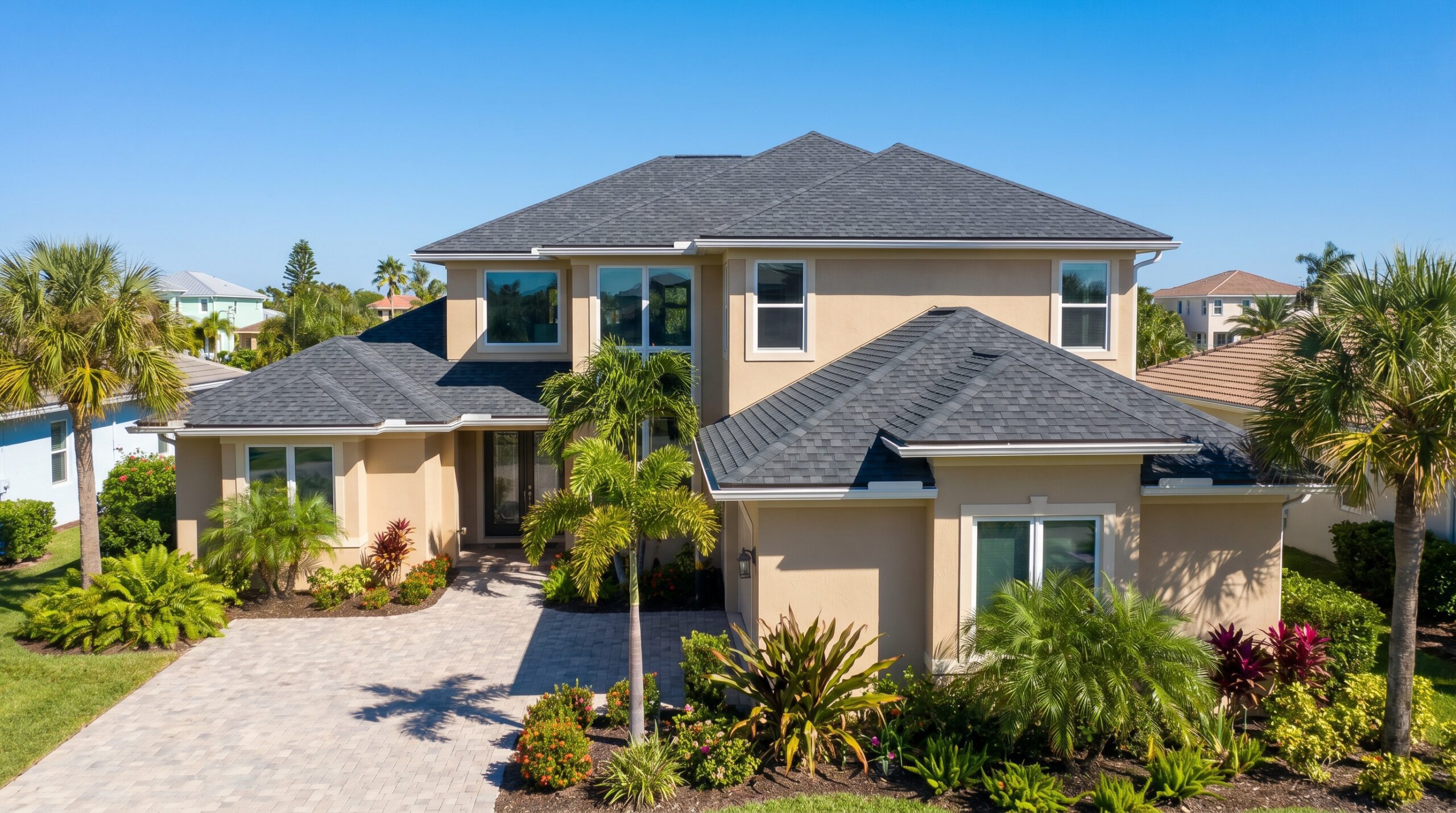
What Is a Composition Roof and Why It’s Perfect for South Florida Homes
February 22,2026
South Florida’s intense heat, unpredictable storms, and high humidity create unique challenges for homeowners in Martin, St. Lucie, and Palm Beach counties when choosing roofing materials. If you’re exploring your options, you’ve likely encountered the term “composition roof” but wondered what it actually means and whether it’s right for your home.
A composition roof is made from a blend of fiberglass, asphalt, and mineral granules, creating a durable and cost-effective roofing system. These roofs typically last 20-30 years in South Florida’s climate and can withstand winds up to 130 mph when properly installed, making them an excellent choice for storm-prone coastal areas like Jensen Beach, Port St. Lucie, and Palm Beach Gardens.
Quick Answer: Composition roofs are asphalt-based shingles made from multiple materials that offer the best balance of affordability, durability, and weather resistance for South Florida homes.
In this guide, we’ll break down everything you need to know about composition roofing, from materials and costs to why they perform so well in South Florida’s challenging climate.
Understanding composition roof materials and construction
A composition roof gets its name from being composed of multiple materials rather than a single natural material like wood or slate. The foundation starts with a fiberglass mat that provides structural integrity while remaining lightweight. This mat gets coated on both sides with asphalt, which waterproofs the shingle and helps it adhere during installation.
The top layer consists of ceramic mineral granules embedded into the asphalt coating. These granules serve multiple purposes – they protect the underlying asphalt from harmful UV radiation, provide fire resistance, and give the shingle its color and texture.
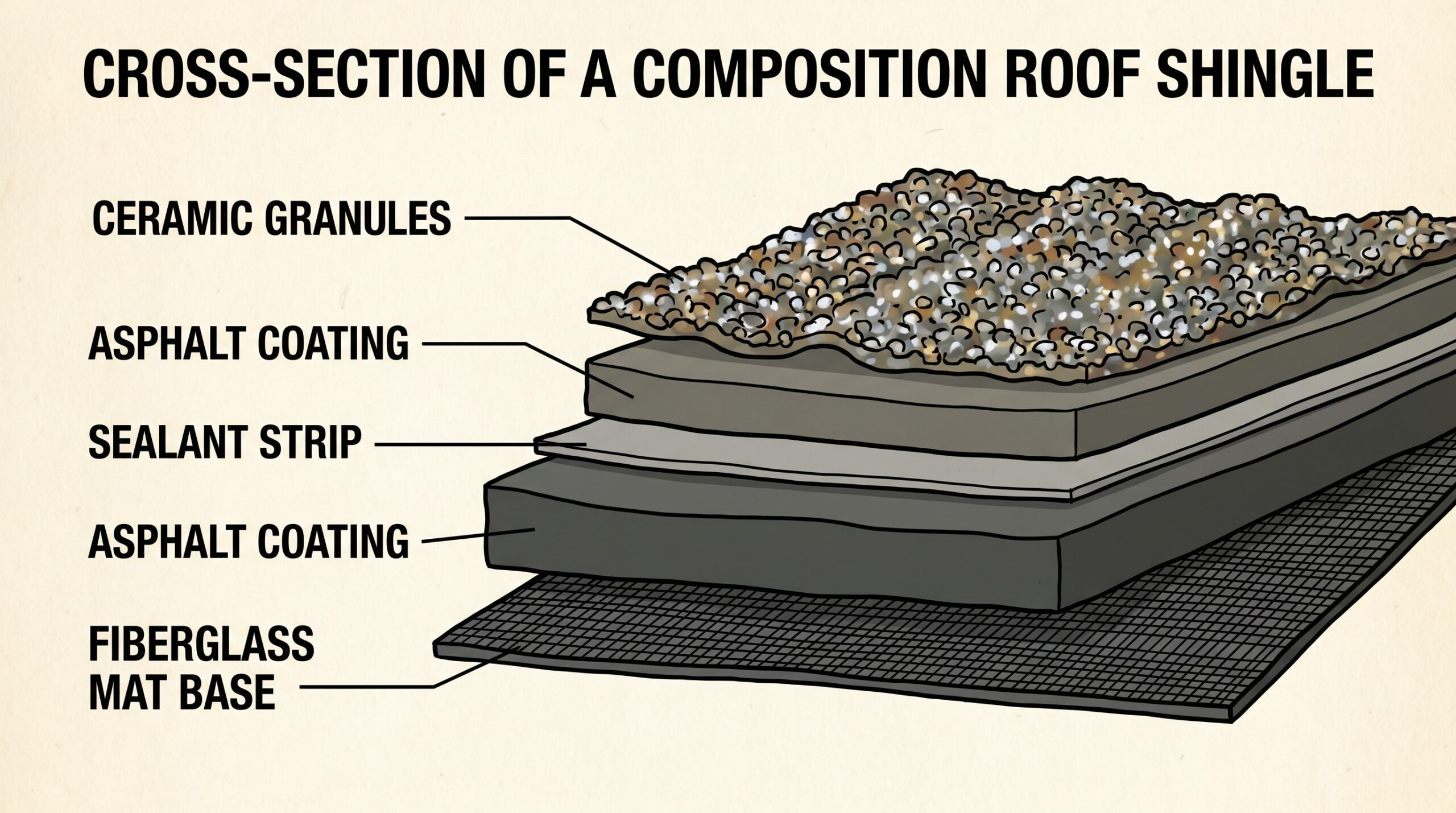
Modern composition shingles often include additional features specifically beneficial for South Florida homes. Many incorporate algae-resistant granules that prevent the dark streaking common in humid coastal climates. Some premium options use SBS-modified asphalt, which adds synthetic rubber polymers to make shingles more flexible and resistant to cracking in extreme heat.
The manufacturing process creates shingles that are significantly lighter than tile or slate alternatives, typically weighing 300-500 pounds per square depending on the grade. This lighter weight means most homes don’t require structural reinforcement, unlike heavier roofing materials.
Types of composition shingles and their performance differences
Composition shingles come in three main categories, each offering different benefits for South Florida homeowners. Understanding these differences helps you choose the right option for your budget and performance needs.
3-tab shingles represent the most basic option, featuring a flat, uniform appearance with a single layer construction. They typically last 15-20 years in South Florida and cost $3-6 per square foot installed. While budget-friendly, they offer limited wind resistance and may not be suitable for areas with frequent severe weather.
Architectural shingles are the most popular choice for South Florida homes. These dimensional shingles use multiple layers laminated together, creating a textured appearance that mimics wood shake or slate. They typically last 25-30 years and carry wind ratings of 110-130 mph, making them much better suited for South Florida’s storm seasons.
South Florida Advantage: Architectural shingles with Class 4 impact ratings can qualify for insurance discounts of 10-28% in Martin, St. Lucie, and Palm Beach counties, helping offset their higher upfront cost.
Luxury shingles represent the premium tier, designed to closely replicate natural materials while offering enhanced durability. These heavyweight options often exceed 30 years of lifespan and provide the highest wind ratings available in composition roofing, sometimes reaching 150 mph when properly installed.
How composition roofs handle South Florida’s unique climate challenges
South Florida’s subtropical climate presents specific challenges that composition roofs are well-equipped to handle. The intense UV exposure that can reach 160°F on roof surfaces during summer afternoons would quickly degrade many materials, but quality composition shingles use reflective granules and UV-resistant asphalt formulations to maintain their integrity.
The region’s high humidity creates perfect conditions for algae growth, which appears as dark streaking on roofs. Modern composition shingles address this with copper or zinc granules that release trace amounts of metal when it rains, naturally inhibiting algae development and keeping roofs looking clean longer.
Wind resistance is perhaps the most critical factor for South Florida homeowners. The Florida Building Code requires roofing products to meet specific wind resistance standards, typically 130 mph in much of the coastal region. Quality composition shingles can meet or exceed these requirements when installed with proper nailing patterns and compatible starter strips.
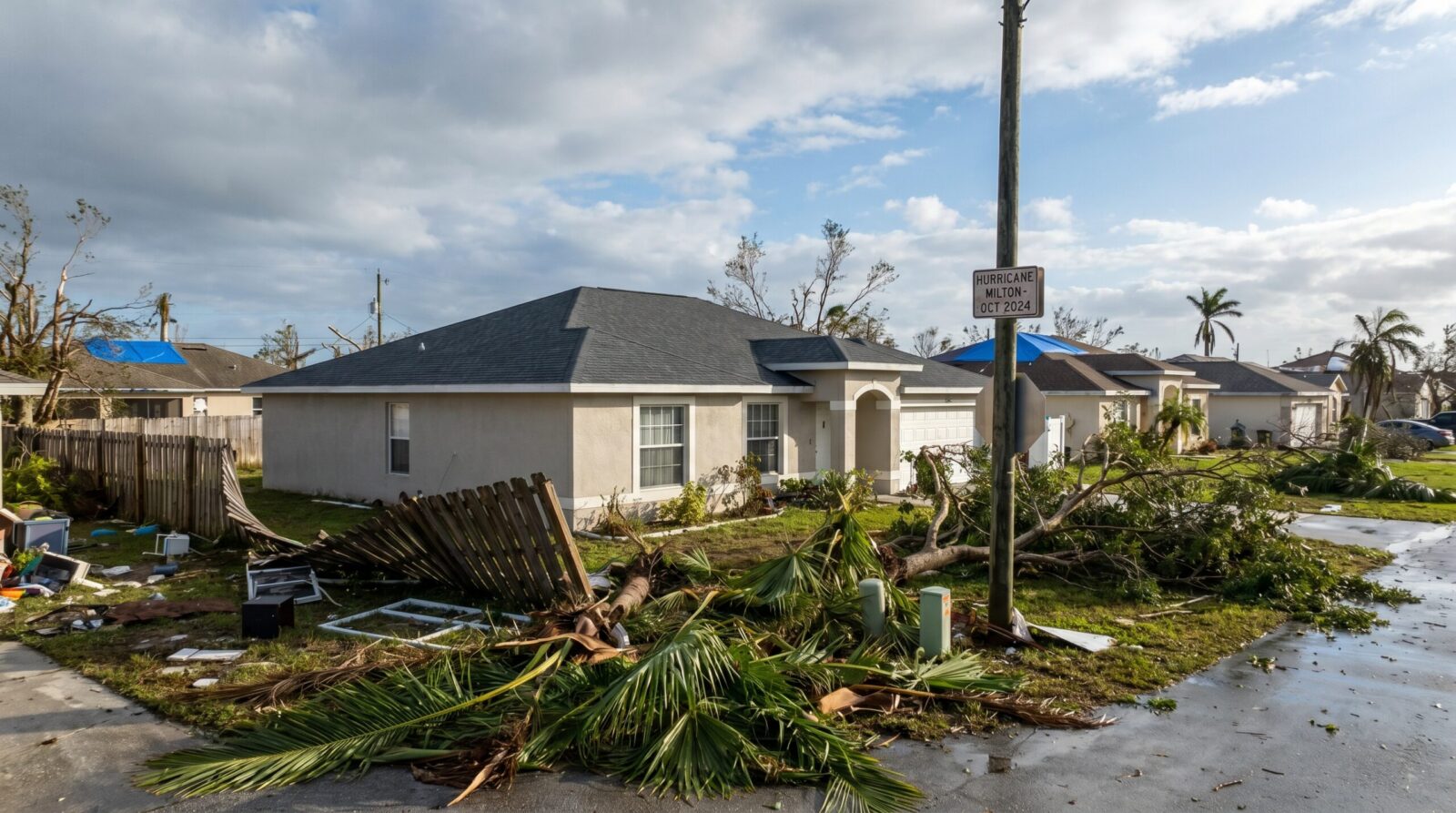
Storm debris poses another significant threat during hurricane season. Impact-rated composition shingles undergo rigorous testing, including resistance to two-inch steel balls dropped from 20 feet, simulating hail and flying debris scenarios common during severe weather events along the South Florida coast.
Comparing costs and long-term value in South Florida
Understanding the financial aspects of composition roofing helps South Florida homeowners make informed decisions. Initial installation costs typically range from $5-12 per square foot depending on shingle grade, roof complexity, and local labor rates. This makes composition roofing significantly more affordable than metal ($8-16 per square foot) or tile roofing ($10-20 per square foot).
Several factors influence composition roof costs in South Florida. Roof pitch and complexity affect labor requirements, while tear-off of existing materials adds to project costs. Upgrading to impact-resistant shingles increases upfront expenses but often pays for itself through insurance savings and reduced storm damage risk.
The long-term value proposition becomes clear when considering replacement frequency. While a composition roof may need replacement every 20-30 years compared to 40-50 years for metal or tile, the lower upfront cost often makes it more economical over time, especially when factoring in insurance savings and easier repairs.
Maintenance requirements also affect long-term costs. Composition roofs require annual inspections and occasional shingle replacement after severe storms, but these maintenance needs are generally less expensive than repairs to tile or slate systems. Professional maintenance typically costs $200-500 annually, helping extend roof lifespan significantly.
Cost Reality Check: A typical 2,000 square foot South Florida home might spend $12,000-20,000 for a quality composition roof replacement versus $20,000-40,000 for comparable tile or metal systems.
When you’re ready to explore composition roofing options for your South Florida home, working with experienced local contractors ensures proper installation that meets building codes and manufacturer warranty requirements. The right composition roof provides decades of reliable protection while maintaining your home’s curb appeal and energy efficiency.
Quality composition roofing offers South Florida homeowners an ideal balance of affordability, durability, and weather resistance. With proper selection and installation, these versatile roofing systems protect your investment while providing the peace of mind that comes with storm-tested performance in coastal environments.