

7 Signs of a Roof Leak and How to Fix It in 2025
Inspection & Repair
Roof Maintenance
October 15,2025
7 Signs of a Roof Leak and How to Fix It in 2025
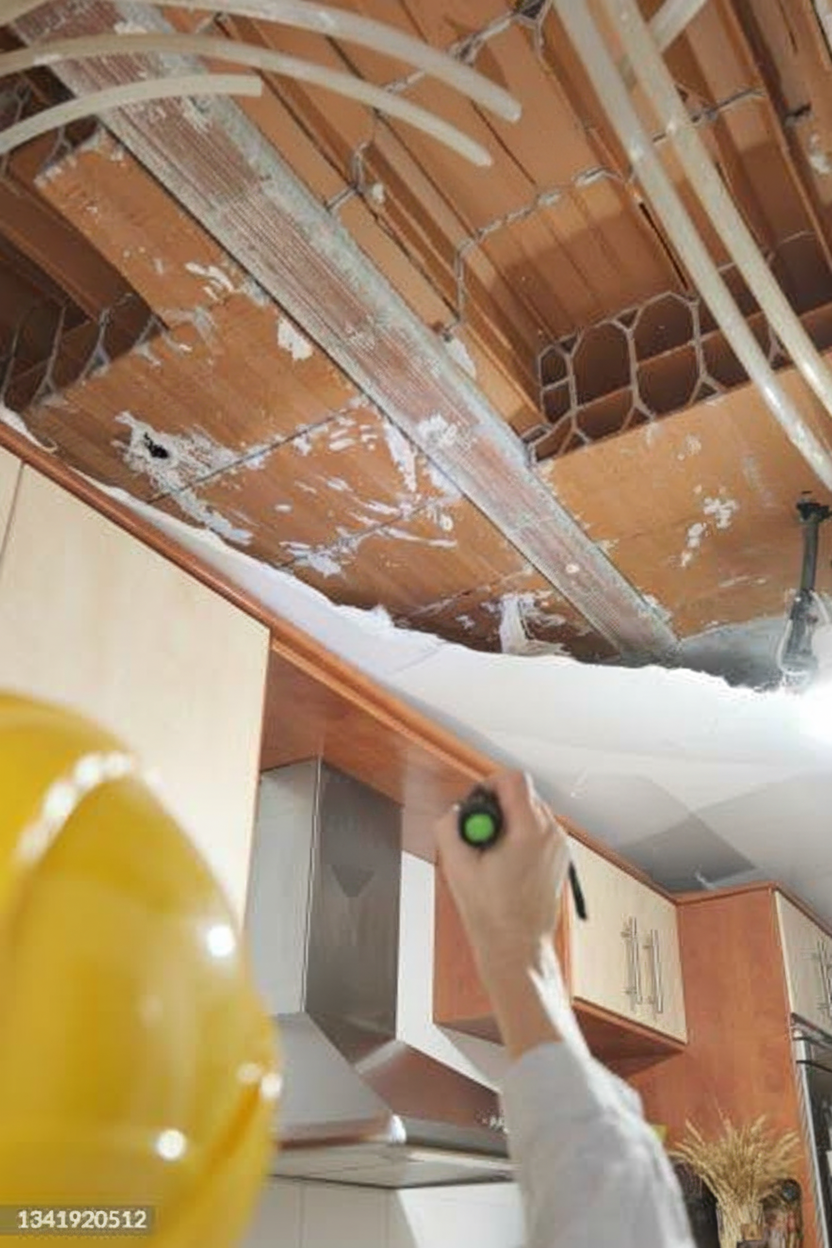
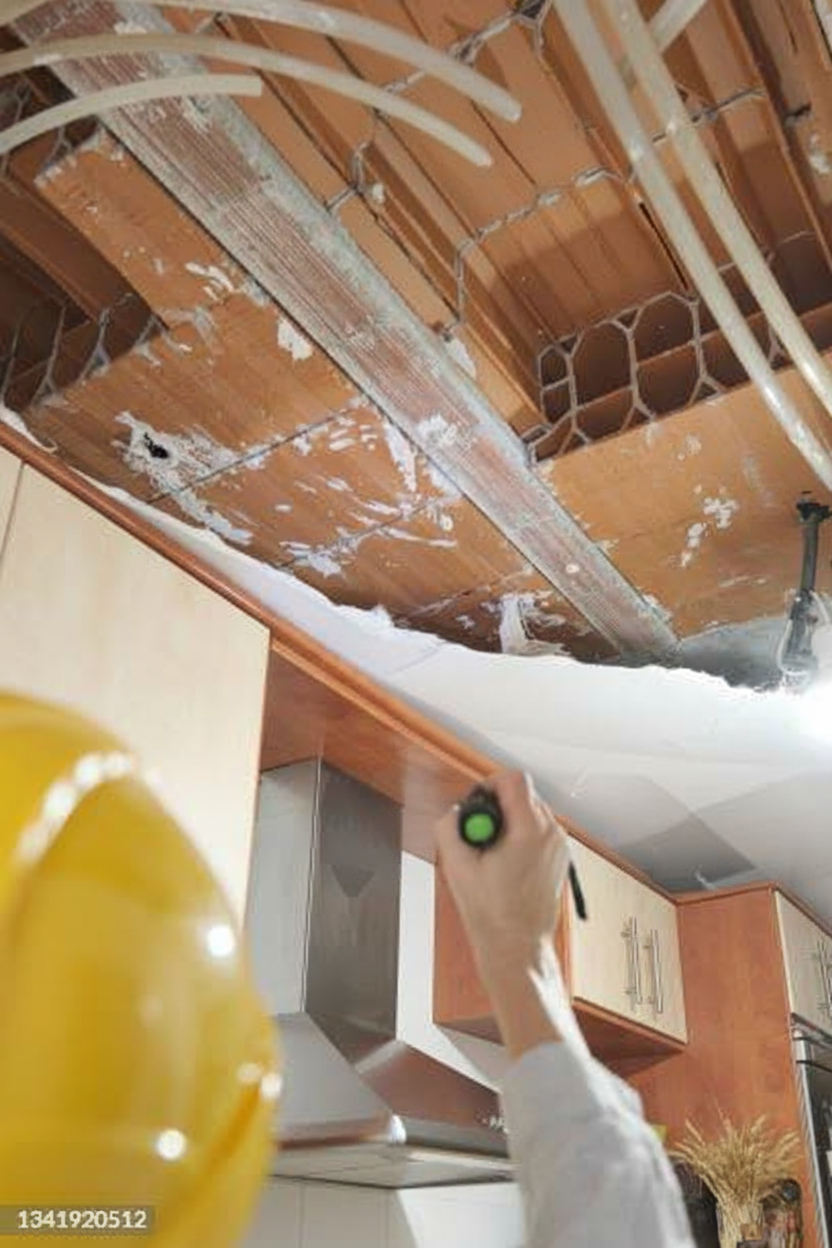
Alt text: Homeowner inspecting ceiling water stains and roof damage from leak
Every homeowner dreads that ominous dripping sound. A roof leak can quickly turn from a minor annoyance into a major headache, causing extensive damage to your home if ignored. While your roof is built to withstand the elements, normal wear and tear can create vulnerabilities that let water sneak in.
Catching a roof leak early can save you thousands of dollars in repair costs. Water damage spreads quickly, affecting insulation, drywall, and even your home’s structural integrity.
Recognizing the warning signs of a leaking roof is your first line of defense. In this guide, you’ll learn how to spot roof leak symptoms before they escalate, understand what steps to take next, and discover the repair options available to protect your investment.
Common signs your roof is leaking
A leaky roof doesn’t always announce itself with a puddle on your floor. Water can travel along rafters and beams before appearing inside your home, making leaks tricky to detect. Here are seven telltale signs that water is infiltrating your roof.
Water stains on ceilings and walls
Yellow or brown discoloration on your ceiling or walls is often the first visible sign of a roof leak. These stains typically appear circular or irregularly shaped and may darken over time. If you notice new stains or existing ones growing larger, water is actively entering your home from above.
Active dripping water
When you see water dripping from your ceiling during or after a rainstorm, you have a significant leak requiring immediate attention. Place a bucket under the drip to minimize damage, but understand this is a temporary fix. The source needs professional assessment as soon as possible.
Peeling paint or bubbling wallpaper
Moisture trapped behind your walls causes paint to peel and wallpaper to bubble or separate. This happens when water seeps into wall cavities through roof penetrations or damaged areas. Left unchecked, this moisture creates the perfect environment for mold growth and structural damage.
Mold and mildew growth
Mold thrives in damp, dark environments. If you spot mold or mildew on walls, ceilings, or in your attic, moisture is accumulating somewhere it shouldn’t. Addressing the water source is critical, not just for your home’s integrity but for your family’s health.
Damaged or missing shingles
Your roof’s exterior condition directly impacts its ability to shed water. Cracked, curled, or missing shingles create entry points for rain and snow. After severe weather, take a moment to visually inspect your roof from the ground. If you notice obvious damage, schedule a professional roof inspection to assess the extent.
Roof granules in gutters
Asphalt shingles shed granules as they age. Finding a few granules in your gutters is normal, but excessive amounts signal deterioration. When shingles lose their protective granule layer, they become vulnerable to UV damage and water penetration. This is especially common after hail storms.
Sagging roofline
A visible dip or sag in your roofline indicates serious structural damage. This typically means water has saturated the roof decking or rafters over an extended period. A sagging roof is an emergency situation that requires immediate professional intervention to prevent collapse.
What to do when you discover a roof leak
Finding a roof leak can be stressful, but taking the right steps quickly can minimize damage and costs. Here’s your action plan:
- Contain the leak by placing buckets or containers under active drips and moving furniture and valuables away from affected areas
- Document the damage with photos and videos for insurance claims and contractor assessments
- Check your attic if it’s safe and accessible to look for obvious water entry points
- Avoid climbing on your roof as emergency roof repairs are best left to professionals
- Contact a reputable roofing contractor for thorough inspection and appropriate repair recommendations
When water is actively damaging your home, speed matters more than saving a few dollars on quotes. Contact a reputable roofing contractor immediately for assessment and repairs.
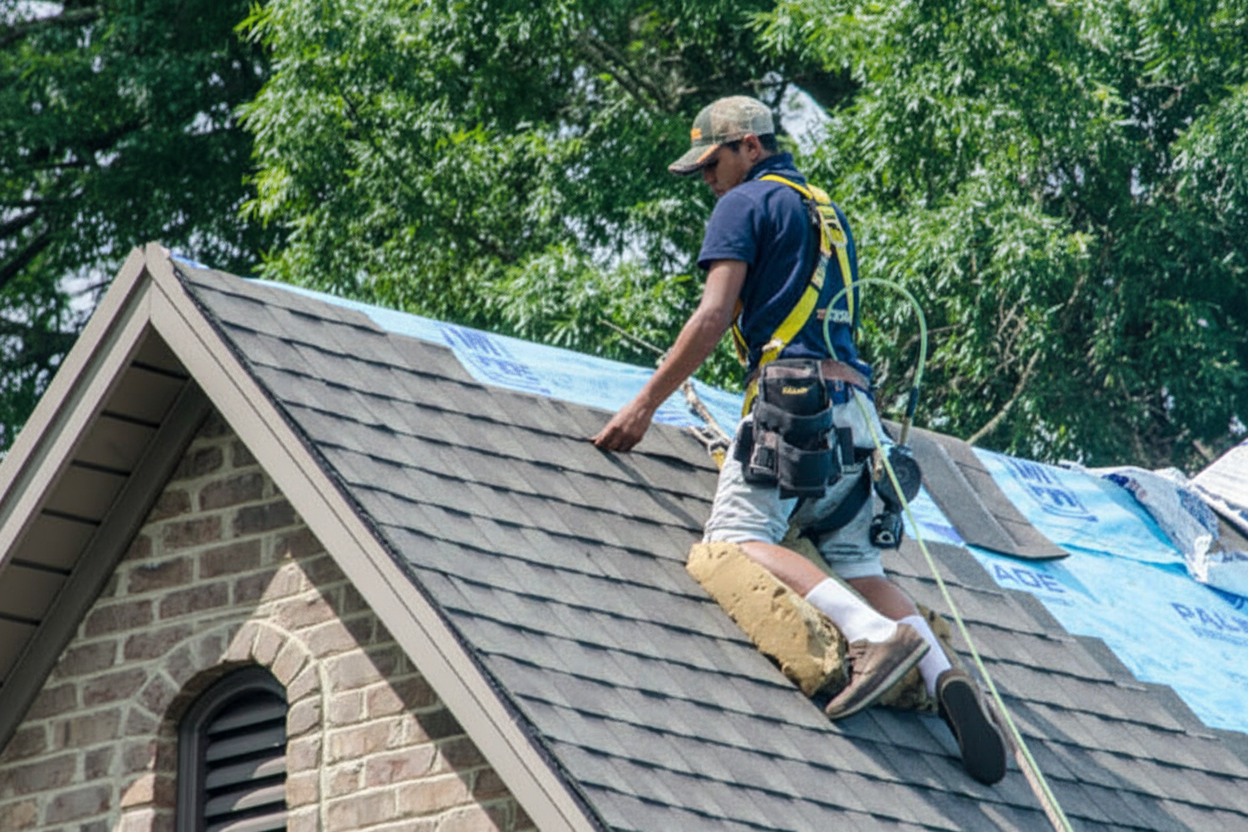
Alt text: Professional roofer fixing damaged shingles and repairing roof leak
Repair options for different types of roof leaks
The right repair approach depends on the leak’s severity, location, and your roof’s overall condition. Here are the most common solutions contractors use:
| Repair Type | Best For | Typical Duration | Cost Range |
|---|---|---|---|
| Patching | Small, localized damage | 1-2 hours | $150-$400 |
| Shingle replacement | Missing or damaged shingles | 2-4 hours | $200-$600 |
| Flashing repair | Chimney, vent, or skylight leaks | 2-3 hours | $300-$800 |
| Roof coating | Aging flat or low-slope roofs | 1-2 days | $1,500-$3,500 |
| Full replacement | Extensive damage or old roof | 3-7 days | $5,000-$20,000+ |
Patching works well for minor damage in otherwise healthy roofs. Contractors seal the leak with roofing cement or specialized patching materials. While effective short-term, patches aren’t permanent solutions for extensive damage.
Shingle replacement addresses localized issues without replacing your entire roof. If only a few shingles are damaged or missing, replacing them restores your roof’s protective barrier. This approach works best when the surrounding shingles remain in good condition.
Flashing repair or replacement fixes leaks around roof penetrations like chimneys, vents, and skylights. Flashing creates a watertight seal where your roof meets vertical surfaces. Damaged or improperly installed flashing is a common leak source that’s relatively affordable to fix.
Investing in regular roof maintenance can help you avoid costly emergency repairs. Routine inspections catch small problems before they become big, expensive ones.
Roof coating extends the life of aging roofs, particularly flat or low-slope designs. Elastomeric or silicone coatings create a seamless, waterproof membrane over your existing roof. This option costs less than replacement while adding years of protection.
Full roof replacement becomes necessary when damage is widespread or your roof has reached the end of its lifespan. While the upfront cost is significant, a new roof provides decades of worry-free protection and can increase your home’s resale value. Learn more about when to repair versus replace your roof.