

7 Best Flat Roof Materials for 2025: Durable Options Compared
Specialized & Commercial Roofing Systems
October 5,2025
7 Best Flat Roof Materials for 2025: Durable Options Compared
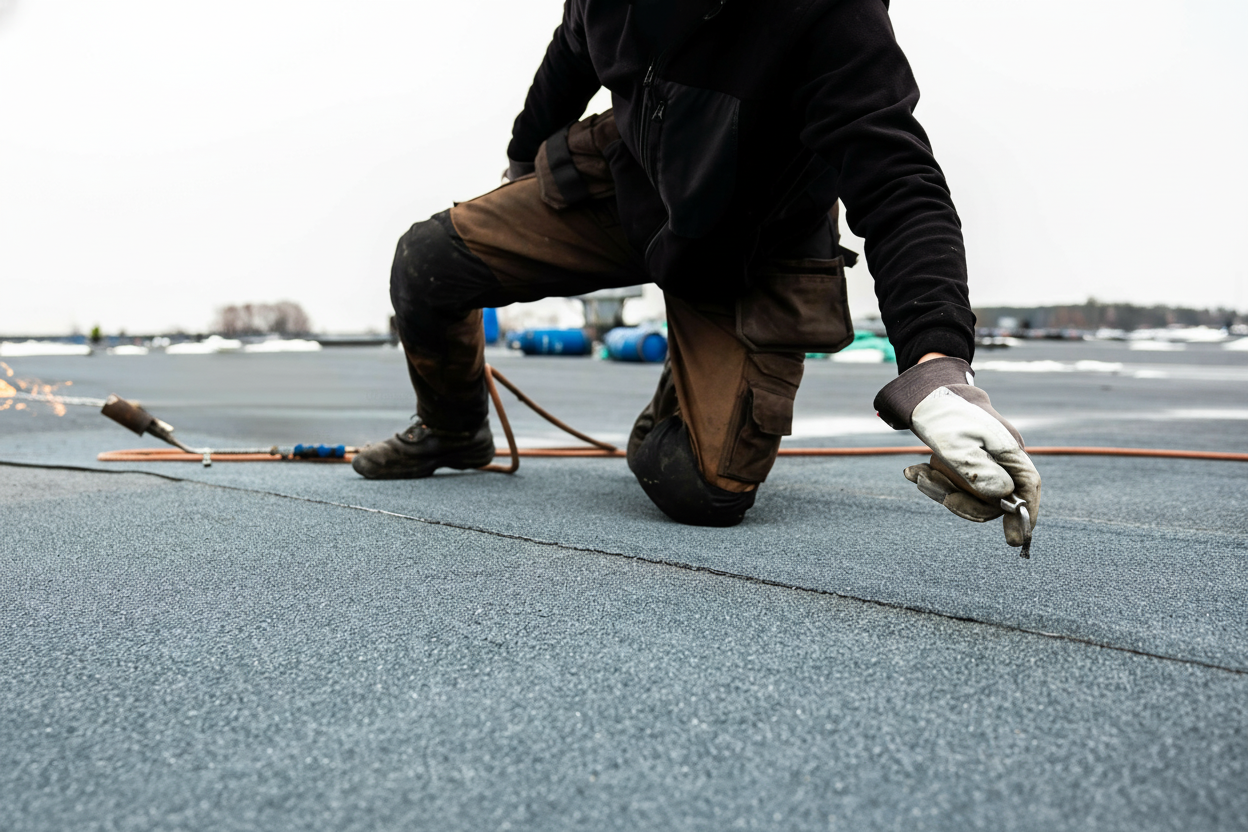
Alt text: Roofing professionals installing white PVC membrane on commercial flat roof
Choosing the right flat roof material can feel overwhelming when you discover just how many options exist. If you own a commercial property or have a low-slope residential roof, understanding your material choices helps you make confident decisions about durability, cost, and energy efficiency.
Key Insight: Modern flat roofing systems can last 15 to 40 years depending on the material you choose, making your initial selection critical for long-term performance.
Flat roofs (technically low-slope roofs) face unique challenges compared to pitched roofs. They handle water drainage differently, endure more direct UV exposure, and require materials that can withstand ponding water without failing. You will commonly see these roofs on commercial buildings, multi-family properties, and certain contemporary residential homes.
This guide explores seven proven flat roof materials, helping you understand what works best for your specific needs and budget.
Understanding flat roof material challenges
Before diving into specific materials, you should know what makes flat roofs different. Unlike sloped roofs that shed water quickly, flat roofs can accumulate standing water, creating what contractors call ponding. This standing water can seep into seams and weak points, causing leaks and structural damage over time.
UV rays pose another major threat. The sun beats down directly on flat surfaces, degrading membrane materials and causing cracks, splits, and openings in the roof system. Extreme weather, including hailstorms, high winds, and temperature swings, adds additional stress to these roofing systems.
Important: Selecting a material that handles these challenges determines whether you enjoy decades of protection or face frequent repairs and early replacement.
For comprehensive guidance on roof coatings and protective systems, Foxhaven provides expert solutions tailored to your climate.
7 proven flat roof materials compared
1. EPDM (Ethylene Propylene Diene Terpolymer)
EPDM, a synthetic rubber membrane, remains one of the most popular commercial roofing choices. This black material offers exceptional durability and rarely shows stains, making it ideal for larger properties where aesthetics matter less than performance.
Lifespan: 25 to 30 years
Best for: Commercial properties, budget-conscious projects
Consideration: Black color absorbs heat, potentially increasing cooling costs
For detailed comparisons, check out our guide on TPO versus EPDM roofing systems to understand which rubber membrane suits your needs.
2. PVC (Polyvinyl Chloride)
PVC roofing brings the same reliable material used in plumbing pipes to your roof. Its white, reflective surface helps buildings stay cooler by bouncing sunlight away rather than absorbing it.
This material comes in large rolls that cover substantial areas quickly during installation. PVC stands up well to wind, hail, and fire, making it a smart choice for schools, factories, and other commercial spaces where safety matters.
Lifespan: 30 to 40 years
Best for: Energy-efficient commercial buildings
Consideration: More prone to punctures in colder climates
3. TPO (Thermoplastic Polyolefin)
TPO has gained massive popularity as a cost-effective single-ply membrane. This lightweight material reflects heat efficiently, reducing air conditioning demands and lowering energy bills.
Cost Advantage: TPO roofing costs 15 to 30% less than PVC while delivering comparable energy efficiency, making it the fastest-growing commercial roofing choice.
As a relatively newer material, TPO requires experienced contractors who understand proper installation techniques. Learn more about TPO roofing systems and installation before making your decision.
Lifespan: 20 to 30 years
Best for: Budget-conscious property owners seeking energy savings
Consideration: White surface shows dirt and requires regular cleaning
4. Built-up roofing (BUR)
Built-up roofing represents the oldest flat roofing technology, created by layering asphalt and gravel in multiple applications. This creates a thick, durable surface that provides excellent protection and offers good traction for rooftop workers.
The gravel surface gives BUR systems a distinctive appearance quite different from smooth membrane systems. However, multiple material layers create significant weight that requires strong structural support. For more details, explore our complete guide to built-up roof systems.
Lifespan: 20 to 30 years
Best for: Buildings with strong structural support
Consideration: Labor-intensive installation increases costs
5. Modified bitumen
Modified bitumen offers a modern update to traditional built-up roofing. This system combines layers of fiberglass, rubber, asphalt, and plastic into rolled membranes with self-adhesive backing.
The multi-layer design provides excellent weather resistance, while the flexible material adapts well to temperature changes. Modified bitumen comes in various colors beyond basic black and white, giving you more aesthetic options.
Lifespan: 15 years average
Best for: Moderate climates with seasonal temperature swings
Consideration: Shorter lifespan requires more frequent replacement
6. Single-ply membranes
Single-ply roofing encompasses several materials, including EPDM, PVC, and options like neoprene or chlorinated polyethylene. These synthetic rubber or polymer sheets install as thin, flexible layers that handle temperature changes and weather impacts effectively.
The flexibility of single-ply systems helps them resist punctures and tears, reducing maintenance needs. However, seam integrity becomes critical, as adhesion failures can lead to leaks over time.
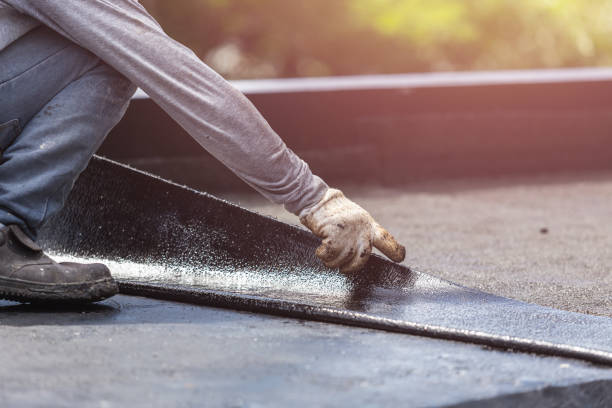
Alt text: Workers inspecting single-ply membrane seams on commercial flat roof
Lifespan: Up to 40 years for quality installations
Best for: Long-term durability with minimal maintenance
Consideration: Seams require regular inspection and maintenance
7. Protective roof coatings
While not standalone systems, protective coatings extend the life of existing flat roofs. These silicone-based products spray onto your current roof membrane, rehydrating materials and sealing minor damage.
Coatings work on metal and asphalt roofs too, making them incredibly versatile. They reflect UV rays, helping cool buildings while protecting the underlying materials from sun damage. For property owners facing budget constraints, roof sealants and protective coatings offer affordable alternatives to full replacement.
Budget Savings: Roof coatings typically cost 50 to 75% less than complete roof replacement while adding 5 to 15 years of additional service life.
Lifespan: Extends existing roof by 5 to 15 years
Best for: Budget-conscious property owners with aging roofs
Consideration: Surface preparation and application conditions affect results
Flat roof material comparison
| Material | Lifespan | Key Benefit | Main Drawback |
|---|---|---|---|
| EPDM | 25-30 years | Highly durable | Absorbs heat |
| PVC | 30-40 years | Energy efficient | Cold weather vulnerability |
| TPO | 20-30 years | Cost effective | Shows dirt easily |
| Modified Bitumen | 15 years | Color options | Shorter lifespan |
Installation and maintenance essentials
Proper installation determines whether your flat roof reaches its expected lifespan. Before applying any material, contractors must thoroughly inspect and prepare the roof surface, removing debris, repairing damage, and ensuring the substrate is clean and dry.
Weather conditions during installation matter significantly. Temperature, humidity, and wind all affect how materials adhere and cure. Applying coatings in high humidity or windy conditions leads to uneven coverage and reduced performance.
Regular maintenance extends roof life substantially. Schedule annual inspections to catch small problems before they become expensive repairs. Clean your roof surface to prevent debris buildup and reapply protective coatings as recommended by manufacturers.
For residential applications, understanding low-slope roofing options and maintenance requirements helps you make informed decisions about your home.
Choosing the right material for your property
Your ideal flat roof material depends on several factors working together. Consider your local climate first because extreme temperatures, UV exposure, and precipitation levels all impact material performance. Properties in hot, sunny regions benefit from reflective materials like PVC or TPO, while colder climates may require more flexible options.
Budget plays a major role too. While premium materials like PVC cost more upfront, their longer lifespans and energy savings often justify the investment. If immediate costs concern you, explore flat roof replacement costs and pricing factors to understand total ownership expenses.
Building structure matters because heavier systems like built-up roofing require adequate support. Consult with structural engineers if you are uncertain whether your building can handle specific materials.
For urgent issues, knowing the signs you need flat roof replacement helps you act before minor problems cause major damage.
Get expert guidance for your flat roof
Selecting the best flat roof material requires balancing durability, cost, energy efficiency, and maintenance needs. Whether you manage commercial properties or own a residential building with a flat roof, making informed material choices protects your investment for decades.
Foxhaven specializes in flat roofing systems for commercial and residential properties. Our experienced team understands how different materials perform in various climates and can recommend solutions tailored to your specific situation. For immediate concerns about leaks or damage, review our flat roof leak repair guide or contact us for professional assessment.
Modern flat roof materials offer impressive durability and performance when properly installed and maintained. By understanding your options and working with experienced contractors, you can enjoy reliable protection and energy efficiency for years to come.